Employment Verification: What Employers Check and How to Fix Errors
Employment verification confirms where you worked, when and in what role. Here's what employers and lenders check, how services like The Work Number fit in, and how to fix a wrong record.
 By Editorial Team
10 min read
By Editorial Team
10 min read
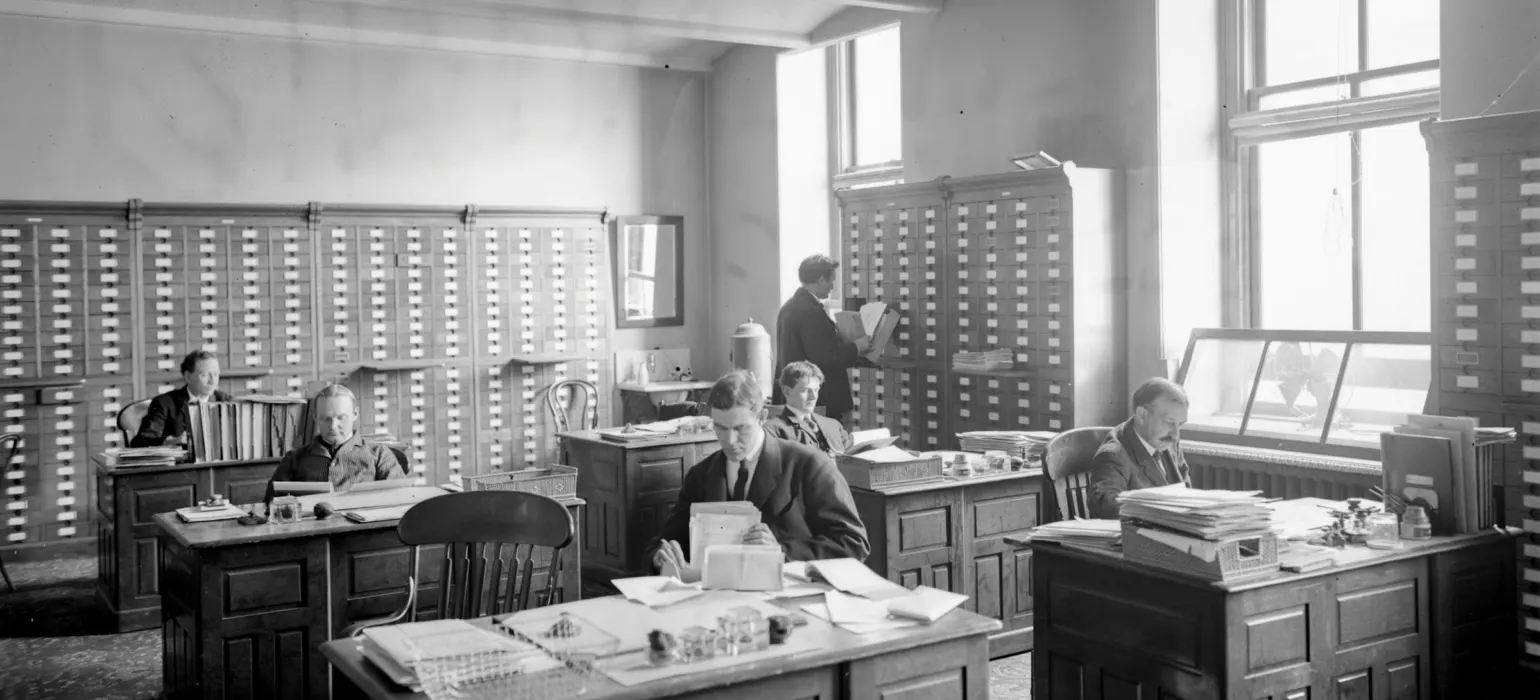
Employment verification is the step where a new employer, lender or landlord confirms that the work history you gave them is true: usually your employer’s name, your dates of employment and your job title, and sometimes your pay. It’s done either by contacting your former employer’s HR team directly or by checking an automated verification service such as The Work Number. If the record is wrong, you can request your own file and dispute errors, because most verification services are consumer reporting agencies under the Fair Credit Reporting Act (FCRA).
It’s a routine, low-drama check, but a wrong start date or a missing job can stall an offer or a mortgage. This guide explains what gets checked, who does the checking, and how to make sure your record says what your resume says.
What employment verification usually confirms
Most verifications are narrow. The person checking wants to know that the facts on your application are real, not what your manager thought of you. That’s a reference check, which is a different thing (our guide on how reference checks work covers that side).
A typical employment verification confirms some or all of:
- Employer name. Including the legal entity, which can differ from the brand you worked for.
- Dates of employment. Start date and end date, or that you’re currently employed.
- Job title. Often your most recent title only, and sometimes the official HR title rather than the one on your email signature.
- Employment status. Full time, part time, contractor or temporary.
- Pay. Sometimes current salary or income history, mainly for lenders and landlords. For hiring, this is increasingly restricted (see below).
- Eligibility for rehire. Some employers will answer this yes or no; many won’t.
Many companies have a policy of confirming only dates and title, and routing every request through HR. That’s partly for efficiency and partly because saying less reduces the risk of a legal dispute. Our guide on what a former employer can say about you explains why.
Who runs employment verification, and why
| Who is checking | Why | What they usually want |
|---|---|---|
| A new employer | To confirm your resume before or after an offer | Employers, dates, titles |
| A mortgage or auto lender | To confirm you have the income you claimed | Current employment, income, sometimes a recent re-check just before closing |
| A landlord or property manager | To confirm you can pay rent | Current employer and income |
| A government agency | To check eligibility for benefits or programs | Employment status and income |
| A background screening company | On behalf of an employer, as part of a wider check | Employment history alongside criminal and education checks |
Employment verification is also different from E-Verify and the Form I-9, which confirm that you’re authorized to work in the US. Those check your identity and work eligibility, not your history.
How The Work Number and similar services work
Many large employers don’t answer verification calls themselves. Instead, they send payroll data to an automated verification service, and anyone with a permissible purpose (a lender, a new employer, a screening company) can look up your record there. The best known is The Work Number, run by Equifax. Other payroll and HR providers offer similar services.
A few things are worth knowing about these services:
- You may already be in one. If a past employer used a large payroll provider or outsourced verification, your dates, title and sometimes pay history may be on file, even from jobs you left years ago.
- The data comes from payroll. Errors usually start at the employer: a wrong job code, a transfer between subsidiaries recorded as a termination, or a merged company whose records came across badly.
- They’re generally covered by the FCRA. Because these services supply information used for employment, credit and housing decisions, they’re generally treated as consumer reporting agencies. That means users need a permissible purpose, and you have the right to see your file and dispute errors.
- Access to salary data is controlled. Services typically share income data only for purposes such as credit decisions, or with your consent, and they have to respect state rules on salary history.
The Consumer Financial Protection Bureau (CFPB) publishes a list of consumer reporting companies, including employment and income verification services, with instructions for requesting your file. It’s a good starting point if you don’t know which service your former employers used.
Salary history bans and what they change
A growing number of US states and cities have salary history laws, which generally stop employers from asking job applicants what they earned before, and in many cases from finding out through other routes. California, New York and Massachusetts are among the states with such laws, and several cities have their own.
The details vary a lot. Some laws bar employers from asking at all, some also bar them from seeking pay history from former employers or verification services, and some let employers use salary history you volunteer. Some states also pair them with pay transparency rules that require employers to share a pay range. If you live in a place with one of these laws, a prospective employer generally shouldn’t be using a verification check to learn your old salary. Lenders are a different matter: they verify income for credit decisions, and salary history bans for hiring don’t usually apply to them.
If you think a prospective employer has asked for or obtained your pay history where the law says it shouldn’t, your state’s labor department is the place to ask, and an employment lawyer can explain your options.
How to request your own employment verification file
Checking your own file before a job search or a mortgage application takes little time and removes a surprise. Here’s how to do it.
- List your past employers. Include the legal names, which you’ll find on old pay stubs or W-2s, and the dates you believe you worked there.
- Find out who handles verification. Ask each former employer’s HR team how they verify employment. Many will tell you they use a specific service, or that they confirm by phone or email.
- Request your file from the service. Verification services generally offer a free consumer report on request through their official website. The Work Number, for example, has a consumer section where you can ask for your employment data report. Type the address yourself rather than following an emailed link.
- Verify your identity. You’ll usually need to confirm your name, date of birth, Social Security number and address. That’s normal for a consumer reporting agency.
- Check every entry. Compare each employer, date, title and pay figure against your records. Look for jobs you didn’t hold, since they can be a sign of identity theft or a mixed file with someone who shares your name.
This fits neatly alongside the rest of a self-check. Our guide on how to run a background check on yourself covers credit reports, specialty reports and court records in the same pass.
How to dispute an employment verification error
Most errors can be fixed. The FCRA gives you the right to dispute inaccurate information with the consumer reporting agency, which then has to investigate, generally within about 30 days, and correct or delete what it can’t verify.
- Write down exactly what’s wrong. “End date shows March 2021, but my last day was June 2021” is easier to fix than “my record is wrong”.
- Gather proof. A final pay stub, a W-2, an offer letter, a separation letter or a promotion email.
- Dispute with the verification service through its official dispute process, and attach copies (not originals). Keep a record of the date you filed.
- Contact the employer too. Because the data comes from payroll, the service will often go back to the employer. Asking HR to correct the source record at the same time stops the error reappearing.
- Ask for a corrected copy. Once the investigation is complete, request an updated file and check the fix.
- Escalate if needed. If a clear error isn’t corrected, you can submit a complaint to the CFPB, and a consumer protection lawyer can advise whether the FCRA gives you a claim.
If an employer or lender is waiting on you, tell them you’ve found an error and are disputing it, and offer your documents directly. Most will accept pay stubs or tax forms while the record is corrected.
Not sure where to start?
Get a free audit of your search results and review profiles, with a prioritized fix list.
Get a free auditA worked example
This scenario is illustrative, not a real client. Priya accepts an offer for an operations manager role, conditional on a background check. Two weeks later the recruiter calls: the screening report shows she left a previous company in 2020, not 2022 as her resume says.
- Priya requests her file from the verification service her former employer used. It shows two entries for the same company: one ending in 2020 and a second, much shorter one.
- She realizes what happened. In 2020 her team moved to a new subsidiary, and payroll recorded it as leaving one company and joining another.
- She sends the recruiter her W-2s for 2020 to 2022 and her promotion letter, and explains the transfer.
- She files a dispute with the verification service and emails her former HR team asking them to note the transfer on her record.
- The recruiter accepts the documents and the offer goes ahead. A few weeks later the service updates her file to show continuous employment across both entities.
The lesson is that most verification problems are clerical, and the fix is paperwork, not argument.
Common mistakes
- Rounding dates on your resume. “2019 to 2022” can look like a discrepancy if the record says December 2019 to January 2022. Keep your dates accurate, and use months where you can.
- Using a title the employer never recorded. If your informal title differs from your HR title, list the official one or explain it, for example “Customer Success Lead (HR title: Account Manager II)”.
- Waiting until a problem shows up. Checking your file before a job search or a mortgage is easier than fixing it under a deadline.
- Assuming a closed company leaves no record. Verification services may still hold data from companies that were acquired or shut down. Check.
- Ignoring the online side. A recruiter who verifies your history will often also search your name. Our guide to the social media background check covers what they tend to see.
When to get help
Employment verification is almost always something you can sort out yourself, for free. Talk to an employment or consumer protection lawyer if a verification service won’t fix a clear error, if you lost an offer because of a wrong report, or if you think a former employer is sharing more than it should.
If the formal records are fine but search results tell a different story, such as an old news article, a mixed-up people-search listing or a profile that isn’t yours, our personal reputation management team can help with removal requests where the rules allow it and with building accurate results for your name.
Frequently asked questions
What does an employment verification check show?
Usually your employer’s name, your dates of employment and your job title. Some checks also confirm employment status, and lenders and landlords may verify income. Performance, reasons for leaving and opinions about you are generally part of a reference check, not a verification.
Can I see my own employment verification record?
Yes, in most cases. Verification services such as The Work Number are generally consumer reporting agencies under the FCRA, so you can request a copy of your file through their official websites and dispute anything that’s wrong.
Can a new employer find out my old salary?
It depends on where you live. Many states and cities now have salary history laws that restrict employers from asking about or seeking your pay history. Lenders verifying income for a loan are generally not covered by those hiring rules.
How long does it take to fix an employment verification error?
It depends on the service and on how quickly your former employer responds. Under the FCRA, a consumer reporting agency generally has about 30 days to investigate a dispute. Sending documents directly to the employer or lender waiting on you can keep things moving in the meantime.
Is employment verification the same as E-Verify?
No. E-Verify and the Form I-9 confirm that you’re authorized to work in the US. Employment verification confirms your past or current jobs, dates and titles.